Source Low Voltage Flexible Ribbon Cable for Construction Overhead Control
Find 30 listings for low voltage flexible ribbon cable suitable for construction, overhead lines, and control systems. Buyers can compare specifications including conductor material, insulation types, and certifications from verified Chinese manufacturers.
Key considerations
Products List


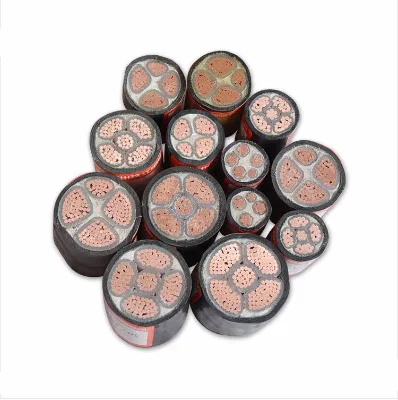


Comprehensive Sourcing Guide
Strategic Sourcing Guide for Low Voltage Flexible Ribbon Cables
Navigating the global market for low voltage flexible ribbon cables requires a disciplined approach that balances technical performance with rigorous supplier verification. Buyers in the B2B sector must distinguish between generic flexible conductors and specialized ribbon configurations designed for specific control and power applications. The available product landscape, particularly from major manufacturing hubs in China, offers a diverse array of options ranging from flat wire constructions to stranded copper cores. This guide synthesizes observed market data and technical specifications to provide a framework for evaluating potential suppliers and ensuring procurement success without relying on unverified claims.
Technical Specifications and Material Composition
The foundation of any successful procurement begins with a precise understanding of the physical and electrical characteristics of the cable. In the current market, low voltage flexible ribbon cables are frequently characterized by their conductor material and insulation properties. Observed data indicates that the primary conductor material is consistently copper, often specified as red copper wire or bare copper wire. For applications requiring enhanced flexibility, the conductor type is typically stranded, with specific classifications such as Class 5 conductors noted for their high degree of flexibility suitable for mobile applications.
The physical shape of the wire is a critical differentiator. While some listings describe the product as "Flat Wire," others specify "Round Wire," suggesting that the term "ribbon cable" in this context may encompass both flat, multi-conductor assemblies and single flat conductors used in control circuits. The insulation and sheath materials vary significantly based on the intended environment. Common observations include rubber insulation and PVC jackets, with some products featuring a combination where the core is insulated with rubber and the outer sheath is PVC. The working temperature range is another vital specification, with observed ratings including 70°C and 90°C, which dictates the cable's suitability for high-heat environments.
Electrical ratings also vary across the supply base. While the core keyword specifies "low voltage," observed listings include products rated for both low and medium voltage applications, with specific rated voltages such as 0.6 kV and 1 kV. The current carrying capacity is another parameter to verify, with specific examples citing a rated current of 16A, though this will vary based on the cross-sectional area and insulation thickness. Buyers must ensure that the specific model number and size, such as 121.5mm² or 241.5mm², align with their circuit requirements, as these dimensions directly impact the current handling capability and physical fit within control panels.
Compliance and Certification Verification
In the B2B procurement of electrical components, compliance is not merely a formality but a prerequisite for market access and safety. The supply chain for low voltage cables is heavily regulated, and suppliers often list a variety of certifications to demonstrate adherence to international and regional standards. Observed certification data reveals a wide spectrum of approvals, including CE, ISO, CCC, VDE, and RoHS. The presence of these marks indicates that the product has undergone testing against specific safety and environmental criteria, but buyers must verify the validity of these certifications for the specific batch being purchased.
Standards compliance is equally critical. The market data references a mix of international and national standards, including BS, IEC, ASTM, DIN, and specific Chinese standards such as GB 5013-1997 and JB 8735-1998. Some suppliers claim adherence to "any standard," which requires careful scrutiny to ensure that the specific technical requirements of the buyer's project are met rather than a generic interpretation. Referred standards like VDE 0250 and IEC 60332-1 provide benchmarks for fire resistance and electrical performance, particularly for cables used in construction and overhead applications.
When evaluating a supplier, the buyer should request proof of certification for the exact model number being sourced. A supplier may hold a general ISO certification, but the specific cable product must be tested and certified under the relevant electrical standards. The distinction between "Low Voltage" and "Medium Voltage" classifications in the product listings also necessitates a check against the specific voltage rating required by the end application. Misalignment here can lead to safety hazards or regulatory non-compliance in the final installation.
Cost Drivers and Pricing Dynamics
Understanding the cost structure of low voltage flexible ribbon cables is essential for budgeting and negotiation. The observed price range in the market spans from $0.01 to $15 per unit, a wide variance that reflects differences in material quality, conductor size, insulation thickness, and order volume. The primary cost driver is the conductor material; copper prices fluctuate based on global commodity markets, and the use of tinned wire versus bare copper can also influence the final price. Additionally, the insulation material plays a significant role, with rubber compounds generally costing more than standard PVC due to their superior flexibility and temperature resistance.
Order volume is another critical factor in pricing. The Minimum Order Quantity (MOQ) observed in the market ranges from 1 to 20,000 units. Suppliers offering lower MOQs may charge a premium per unit to cover setup and handling costs, while larger orders typically benefit from economies of scale. Customization is a key service offered by many suppliers, allowing for tailored specifications such as specific colors (e.g., black), unique conductor counts, or specialized jacket materials. However, customization often introduces additional costs and longer lead times, which must be factored into the total cost of ownership.
Packaging requirements also impact the final cost. Standard packaging often involves wooden drums or coils, with some listings specifying "seaworthy transporting wooden drums" or "iron wooden drums" to ensure protection during transit. For international buyers, the choice of packaging can affect shipping costs and the risk of damage during logistics. Buyers should clarify whether the quoted price includes packaging and shipping or if these are separate line items, as this can significantly alter the effective cost per unit.
Typical Applications and Usage Scenarios
Low voltage flexible ribbon cables serve a diverse range of applications, from general construction to specialized control systems. The observed data highlights applications in construction and overhead settings, indicating that these cables are robust enough for outdoor and structural use. The "Overhead" application classification suggests suitability for suspended installations where flexibility and tensile strength are required. Furthermore, the "Control Cable" designation points to their use in industrial automation, machinery, and control panels where signal transmission and power distribution are critical.
The flexibility of the cable is a key attribute for its application in dynamic environments. Stranded conductors and rubber insulation make these cables ideal for applications involving frequent movement, such as in robotics, conveyor systems, and portable equipment. The "Flexible Rubber Cable" and "Flexible Rubber Cable" model numbers specifically target these use cases. Additionally, the "LSOH" (Low Smoke Zero Halogen) range of application indicates suitability for environments where fire safety is paramount, such as public buildings or enclosed spaces, although this specific attribute should be verified against the actual product listing as not all cables in the low voltage category possess LSOH properties.
The working temperature range of 70°C to 90°C further defines the operational envelope of these cables. This makes them suitable for indoor industrial environments, control rooms, and machinery where ambient temperatures may rise. However, for extreme environments, buyers must verify if the specific cable model meets the required thermal ratings. The "DC & AC" current capability ensures versatility in power supply systems, allowing these cables to be used in both direct current control circuits and alternating current power distribution networks.
Supplier Evaluation and Origin Analysis
Selecting the right supplier is as important as selecting the right product. The majority of the observed supply originates from China, with specific manufacturing hubs identified in Henan (including Zhengzhou) and Jiangsu provinces. These regions are known for their concentration of electrical manufacturing capabilities. When evaluating suppliers, buyers should verify the "Place of Origin" and "Product Origin" details to ensure consistency with the supplier's claims. A supplier claiming origin in Henan should be able to provide documentation linking the specific production facility to that location.
Supplier reliability is often indicated by the consistency of their product attributes. Listings that provide detailed specifications, such as conductor type, insulation material, and certification details, generally indicate a more mature and transparent supplier. Conversely, vague descriptions or conflicting information, such as a product listed as both "Flat Wire" and "Round Wire" without clarification, may signal a lack of technical rigor. Buyers should prioritize suppliers who offer customization services, as this suggests a higher level of engineering support and flexibility in meeting specific project requirements.
The "Customization: Available" attribute is a strong indicator of a supplier's capability to adapt to unique needs. However, buyers must assess the supplier's capacity to handle custom orders within the required timeframe. The lead time, while not explicitly detailed in the observed data, is a critical factor in procurement planning. Suppliers with a history of meeting deadlines and providing consistent quality are preferable. Additionally, the packaging methods, such as the use of wooden drums and iron reinforcements, should be evaluated to ensure they meet the logistical requirements of the buyer's supply chain.
Quality Control and Long-Term Procurement
Ensuring long-term quality requires a proactive approach to quality control (QC) and supplier relationship management. Buyers should implement a rigorous QC process that includes pre-shipment inspections and sample testing. Key parameters to verify include the conductor resistance, insulation thickness, and the mechanical properties of the jacket. The observed standards, such as VDE 0250 and IEC 60332-1, provide a framework for these tests, focusing on fire resistance and electrical integrity.
Long-term procurement considerations also involve supply chain resilience. Given the variability in MOQs and the potential for raw material price fluctuations, buyers should establish contracts that allow for flexibility in order volumes. Building a relationship with a supplier who can accommodate both small and large orders is beneficial. Furthermore, the availability of spare parts and replacement cables should be considered, especially for critical applications where downtime is not an option.
The "Seaworthy Transporting Wooden Drum" packaging is a positive indicator of a supplier's attention to logistics, but buyers should still verify the condition of the packaging upon receipt. Any damage to the drum or the cable coil can compromise the integrity of the product. Establishing clear acceptance criteria and return policies is essential for mitigating risks associated with damaged goods. Finally, maintaining open communication with the supplier regarding any changes in standards or regulations ensures that the procured cables remain compliant with evolving industry requirements.
Comparative Analysis of Product Attributes
To facilitate decision-making, it is helpful to compare the key attributes of the available low voltage flexible ribbon cables. The following table summarizes the observed variations in material, certification, and application, providing a quick reference for buyers.
| Attribute Category | Observed Variation | Key Consideration for Buyers |
|---|---|---|
| Conductor Material | Red Copper, Bare Copper, Tinned Wire | Verify purity and suitability for the specific electrical environment. |
| Insulation/Jacket | Rubber, PVC, LSOH | Match insulation type to temperature and fire safety requirements. |
| Wire Shape | Flat Wire, Round Wire | Ensure the shape fits the physical constraints of the installation. |
| Certifications | CE, ISO, CCC, VDE, RoHS | Confirm validity for the target market and specific application. |
| Voltage Rating | Low Voltage, 0.6kV, 1kV, Medium Voltage | Align with the system voltage to prevent insulation failure. |
| Origin | Henan, Jiangsu, China | Verify factory location and capacity for customization. |
| Packaging | Wooden Drum, Coil, Iron Drum | Assess protection level for long-distance shipping. |
This comparison highlights the diversity within the market and underscores the need for precise specification matching. By focusing on these critical attributes, buyers can navigate the complexities of sourcing low voltage flexible ribbon cables with confidence, ensuring that the final product meets both technical and commercial requirements.
FAQs
What materials are used for the conductor and insulation?
The conductor is made of copper, often red copper or tinned wire, while the insulation is typically rubber. Some products also feature a PVC jacket for the sheath, providing flexibility and protection for low voltage applications.
Which certifications are commonly available for these cables?
Common certifications include CE, ISO, CCC, VDE, and RoHS. Buyers should verify that the specific batch holds these marks, as they indicate compliance with international safety and environmental standards like BS, IEC, and DIN.
Can the cables be customized for specific project needs?
Yes, customization is available for many products. Suppliers can adjust specifications such as conductor type, jacket material, or color, though this may affect the minimum order quantity and lead time for the final delivery.
What is the typical price range for low voltage flexible ribbon cables?
The observed price range spans from 0.01 to 15 USD per unit. The final cost depends heavily on the conductor size, insulation material, and the order volume, with larger quantities often benefiting from lower unit pricing.
Where are the manufacturers of these cables located?
Most manufacturers are located in China, specifically in Henan and Jiangsu provinces. Zhengzhou in Henan is a noted origin point, and buyers should confirm the specific place of origin to ensure supply chain consistency.
How are these cables typically packaged for shipping?
Cables are usually packed in coils or on wooden drums. Seaworthy transporting wooden drums or iron wooden drums are common to ensure protection during transit, especially for international orders requiring robust packaging solutions.
What voltage ratings do these cables support?
These cables support low voltage ratings, with specific examples including 0.6 kV and 1 kV. Some listings also mention suitability for medium voltage applications, so the rated voltage must match the specific project requirements.